
High Performance Mechanical and HVAC Systems for Commercial & Residential Spaces
High-performance mechanical systems improve building performance, energy usage, and air quality while keeping spaces consistently treated and comfortable. They run quieter, operate cleaner, and make economic and ecological sense.
Room by room and space by space, high-performance mechanical solutions bring efficiency, quality, comfort, and dependability to the mechanics of a space.
MEP Design Expertise-Measured & Precise Engineering
Mechanical, Electrical, & Plumbing systems that are integrated and designed to your needs and optimized to performance standards.
Make performance a priority where it matters most in your building design.
Integrated Systems for High Performance Architecture
Because buildings are meant to perform from the inside out, CR-BPS brings engineering and efficiency into the mechanics of each space.
From the onset of the design phase of a commercial or residential building, the CR-BPS engineering team is integrating measured and precise solutions, specifically considered and designed systems into the functional, aesthetic, and efficiency elements of a project.
The right mechanical solutions for residential spaces and commercial buildings support the design of the space while improving the performance of it.
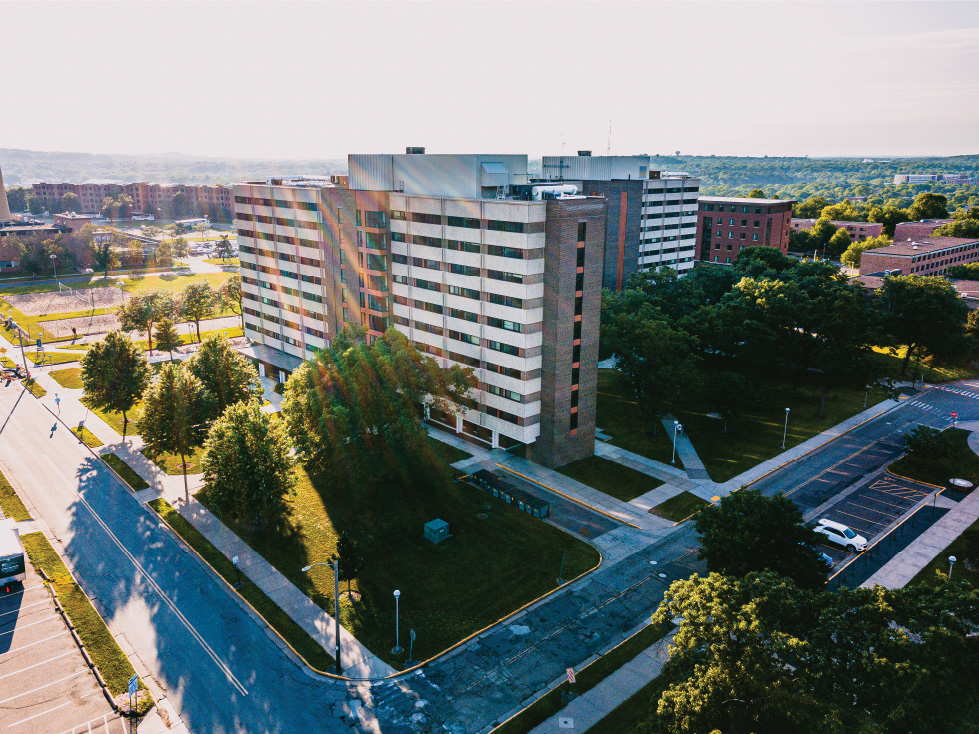
High Performance Mechanical Systems
From Design to Deployment
HVAC
Efficient HVAC Performance
Inadequate or underperforming systems are costly to operate and unable to do the job needed. Whether because an HVAC system was not sized properly to treat the space or because a buildings mechanical infrastructure wasn’t designed with efficiency and performance in mind, inefficiency in mechanical systems means higher costs month over month; year over year.
Reliable Operation
When a mechanical system is engineered uniquely for the space it’s deployed to treat, the result is better performance with less disruptions. A system that is improperly sized, for instance, puts consistent and unnecessary pressure on expensive and essential mechanical elements.
Consistent Comfort
High performance HVAC engineering and customization brings uniformity to the temperatures in rooms throughout a space. Rather than hot spots or cold zones throughout a home or building, engineered HVAC solutions maintain continuity throughout the space.
Improved Air Quality
Proper ventilation, air movement, and mechanical design are all essential when considering air quality in a finished space. Whether engineering the kitchen vent solution or integrating a consistent fresh air solution, air quality should be (and can be) engineered for any finished space.
Electrical Performance
Electrical performance for your space isn’t just about what you’re spending or the amount of energy you’re using. It’s all of that and more. Performance is a measure of your electrical system in terms of efficiency, voltage, and resistance. The more comprehensively you design your electrical framework, the more confident you can be in the long term operation of it.
Reliability
Reliability of your electrical infrastructure has as much to do with what it can do as it does with what it is doing. Electrical planning and engineering for your space should take capacity into consideration as well as consistency, so that day-to-day operation is consistent and while peak energy consumption operation is efficient.
Efficiency
Electrical efficiency refers to the ratio of power output to the total power actually used. In other words, is the power available being appropriately and effectively distributed, with as little waste of energy as possible. Efficiency is possible when electrical needs and system capacity are balanced.
Engineered Solutions
For an electrical system that is distinctly reflective of the needs, plans, and demands on the space, and working in conjunction with the entire building’s design, engineered electrical frameworks ensure long-term performance, reliability, and efficiency.
Plumbing
Capacity and Performance
It’s essential that you know the needs of your space as well as the options available to you in the engineering for them. From high-efficiency solutions that preserve water and save energy to infrastructure considerations for future phases of development and construction, a commitment to building science and high performance architecture has implications to the plumbing design and system of a space.
Engineering & Design
An integrated approach to building performance and design means that every dynamic and system of a building is considered in the engineering and design of it. Rather than individual mechanical systems being set up in isolation, CR-BPS brings consistency and integration to a building, bringing with it savings and long-term performance.
Maintenance Minded
Maintenance and updates are inevitable with facility management. As building uses change and as technology evolves, the plumbing system engineered for your space should be able to continually do the job you need it to. Build with today and the future in mind.
Owner’s Project Requirements refers to the established project requirements for a building project — the needs, demands, and expectations of a building owner. This list of requirements, often detailed in a document, serves as the standard that a design team seeks to meet upon completion of a building project.
From the initial onset of design conversations, the architect must understand and establish the OPRs that the team will be working against throughout the project. OPRs are essential on many levels. From coordinating and synchronizing stakeholder expectations for a space to informing the strategy for the MEP systems in the building, properly and comprehensively understood Owner Project Requirements provide a framework for measuring and maintaining building performance standards.
Some essential data for an adequate OPR buildout…
- The Owner’s Goals, Needs, and Expectations
What has the owner of the building determined to be the biggest needs and ultimate purpose for the space? As the details and specific deliverables of the OPR are spelled out, the high-level goals for the space must be clearly articulated so that performance and design standards remain front and center for the team. - Building Usage and Planning
What is the intended purpose of the space? If a multi-tenant commercial space, what kinds of businesses are being targeted as potential tenants? Are there industry-specific demands on the space (such as air flow, drainage, HVAC requirements, increased fire safety, etc.)? - Performance Goals
What will be the measure of effective performance for the space? As costs for operation continually increase, building owners will measure operational performance in a range of ways and by a range of metrics. The more you know how success will be measured for your space, the more you’ll be able to keep OPRs front and center. - Budget
The potential of merging demands and expectations with budgets and timelines is always one of the most significant challenges in design and architecture.When coming into a design discussion to determine the OPRs for a specific project, establishing a realistic budget is essential.As long as it’s realistically established on the front end, a project has a higher likelihood of meeting OPRs.
Think of the OPR as a project’s master plan — its north star that will guide each stage of design, engineering, construction, maintenance, and commissioning.
It will be the standard used to measure success in both the immediate and long-term future.
By establishing it at the onset of design, decision-making, engineering, and design strategy become easier to manage.
If you’re planning a project but unsure of the next steps, reach out to the engineering team of CR-BPS.
When implemented correctly and integrated fully, the MEP (Mechanical, Electrical, and Plumbing) engineering process has a major and meaningful impact on the overall strategy and development of an architectural design. The systems impacted by MEP engineering determine almost everything about how a building operates and functions. Because of this, a building must do more than look or feel the way the owner intends. It must also perform that way.
MEP’s direct impact on design is seen on many levels, from a building’s layout and flow to themechanical infrastructure that impacts its immediate and long-term performance.
Design AND Engineering
It’s essential that building owners and project managers not put design before engineering butinstead put it within it. A building that’s well designed is one that’s well-engineered. That means that a well-designed space (architecturally speaking) has included and integrated the expertise of mechanical, electrical, and plumbing into the initial phases of a building’s architecture. In fact,
the sooner this integration happens in design, the more likely it is that a space is set up to perform. From understanding a building’s purpose and uses to planning for future maintenance and upgrades, every decision should be made with the whole building in mind.
Building with a Team
When working with the right team of MEP engineers, your building’s design will actually be complemented and even enhanced by the right engineering decisions. If you’re unsure how to integrate Mechanical, Electrical, and Plumbing design into the design of your overall space, connect with a qualified engineer, like what you find at CR-BPS.
With decades of integrated design experience that values the owner’s requirements alongside the many dynamics of building performance, our team works collaboratively with teams across all stages of design and pre-construction.
- Defining the Project Scope
Before you can determine the mechanical, electrical, and plumbing strategy for your space, you must first understand the project scope. The type of building you’re designing will determine almost everything about the MEP strategy you’ll need to implement. A residential space with less square footage and different compliance or code requirements, for instance, will plot a different strategic MEP map for your space. Everything from location, demands, climate-control needs, and long-term plans will impact the MEP engineering of the space. - Coordinate with Your Team
When the right people are in the conversation, you can ensure that the right decisions will be made in your designs. By engaging your architect, engineering teams, local and municipal authorities, as well as industry experts for any specific commercial use of a property, you’re more capable of making the right strategic steps forward. - The Planning of Mechanical, Electrical, & Plumbing
Each decision and strategy for the engineering components of your space should be made based on both the current scenario and the future plans. Heating and cooling demands for a space will vary based on insulation, usage, and tenant preference. Electrical systems need to accommodate a wide range of demands and will often need to scale with a business. Plumbing is about more than running water or bathrooms. You must also consider fire safety systems, water drainage, and the many dynamics of industrial demands for various industries and business types.
As your team establishes the design direction of your project, there’s the need to also consider and design for the operational and functional demands of the space you’re creating. The best strategy for ensuring that the functional and operational elements of your space are integrated with the design requirements you have for it is to work with a qualified MEP engineering firm. The right MEP partner will understand the nuances and dynamics of both design and engineering. At CR-BPS, our MEP team works diligently to make sure your building is safe, functional, code-compliant, and efficient.
Designing a Commercial Space?
Making commercial spaces consistent…from comfort to efficiency and performance.
Connect with UsDesigning a Residential Space?
Making the right choices for home air quality, noise, efficiency, and performance.
Let's Talk